Product Description
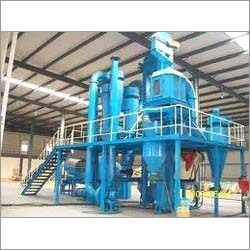
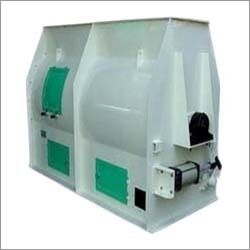
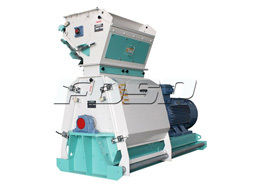
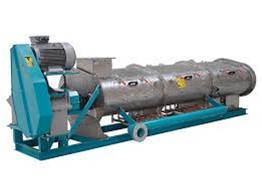
Having a definite quality management system, we are regarded as the noteworthy manufacturer, trader and supplier of Poultry Feed Mill Plant. This feed mill plant is developed in compliance with quality standards using high grade basic material& leading techniques. Our feed mill plant is valued among customers for its unmatched quality, steady performance, corrosion resistance, low maintenance and longer service life. Regardless of extreme working conditions, this Poultry Feed Mill Plant provides optimum performance throughout the working life.
Specification
|
Usage/Application
|
Cattle Feed Making
|
|
Capacity
|
2-12
|
|
Brand
|
JKE
|
|
Automation Grade
|
Manual
|
|
Country of Origin
|
Made in India
|
Features:
- Easily movable
- Durable finish
- Precisely designed
- Long life
Cutting-Edge HMI TechnologyOur feed plant incorporates a Human Machine Interface (HMI) control system, empowering operators with intuitive controls and real-time operational insights. This advanced interface enhances productivity while minimizing errors, making feed production smoother and more user-friendly. Suitable for a variety of user skill sets, the HMI simplifies troubleshooting and routine adjustments for optimal results.
Robust Construction and SafetyBuilt from high-grade mild steel, the plant is engineered to endure the rigorous demands of feed manufacturing environments. The robust material resists wear and tear, ensuring long-term stability and safety during operation. With a semi-automatic mechanism, manual oversight ensures precision, while automation optimizes repetitive tasks.
FAQs of Cattle Feed Plant:
Q: How does the Human Machine Interface benefit plant operators?
A: The Human Machine Interface (HMI) simplifies plant operation by providing an intuitive graphical interface, allowing operators to monitor processes, adjust parameters, and address issues quickly. This reduces training time, enhances operational efficiency, and minimizes errors during feed production.
Q: What is the process of producing poultry feed in this semi-automatic plant?
A: The process begins with raw material intake, followed by grinding, mixing, and pelletizingall managed through the electric drive and the computerized HMI. Operators oversee stages to ensure proper blending and pellet formation, resulting in high-quality poultry feed.
Q: When should the plant undergo routine maintenance, and what does it involve?
A: Routine maintenance is recommended as per the usage frequency, generally every 3-6 months. It involves inspecting the electric drive, checking HMI functionality, lubricating moving parts, cleaning production areas, and ensuring all safety protocols are met for smooth operation.
Q: Where can this poultry feed mill plant be installed?
A: This plant can be installed in various industrial and agricultural setups, including commercial poultry farms, feed production factories, and cooperative societies. Its robust mild steel construction allows it to adapt to diverse Indian and international environments.
Q: What are the advantages of using mild steel as the plant material?
A: Mild steel offers strong resistance to wear and corrosion, resulting in greater durability and reduced maintenance. It provides strength without excessive weight, ensuring stability and easier installation for long-lasting performance in demanding feed production facilities.
Q: How does the semi-automatic system optimize feed production?
A: The semi-automatic system balances automation for repetitive tasks with manual oversight for customized control, enabling precise feed quality, increased throughput, and adaptability to varying raw material qualities and recipes.
Q: What warranty and after-sales support are provided with the plant?
A: A valid warranty is included with every purchase, providing coverage for manufacturing defects and key components. As an established exporter, manufacturer, and supplier, we offer robust after-sales service and technical support to ensure customer satisfaction.










 Send Inquiry


 Send Inquiry
 Send SMS
 Call Me Free